
Wheel Alignment vs. Tire Balancing: What’s the Difference?
Proper vehicle maintenance ensures safety, longevity, and performance, and two critical components of this are wheel alignment and tire balancing. While often used interchangeably, these processes are distinct and serve different purposes. This article explores the differences, examining their roles, benefits, and how they contribute to a vehicle's overall performance. By understanding these maintenance tasks, car owners can make informed decisions about when and why to carry out each service. Thus, complete knowledge of wheel alignment and tire balancing will ultimately lead to better vehicle management and performance.
Understanding Wheel Alignment
What is Wheel Alignment?
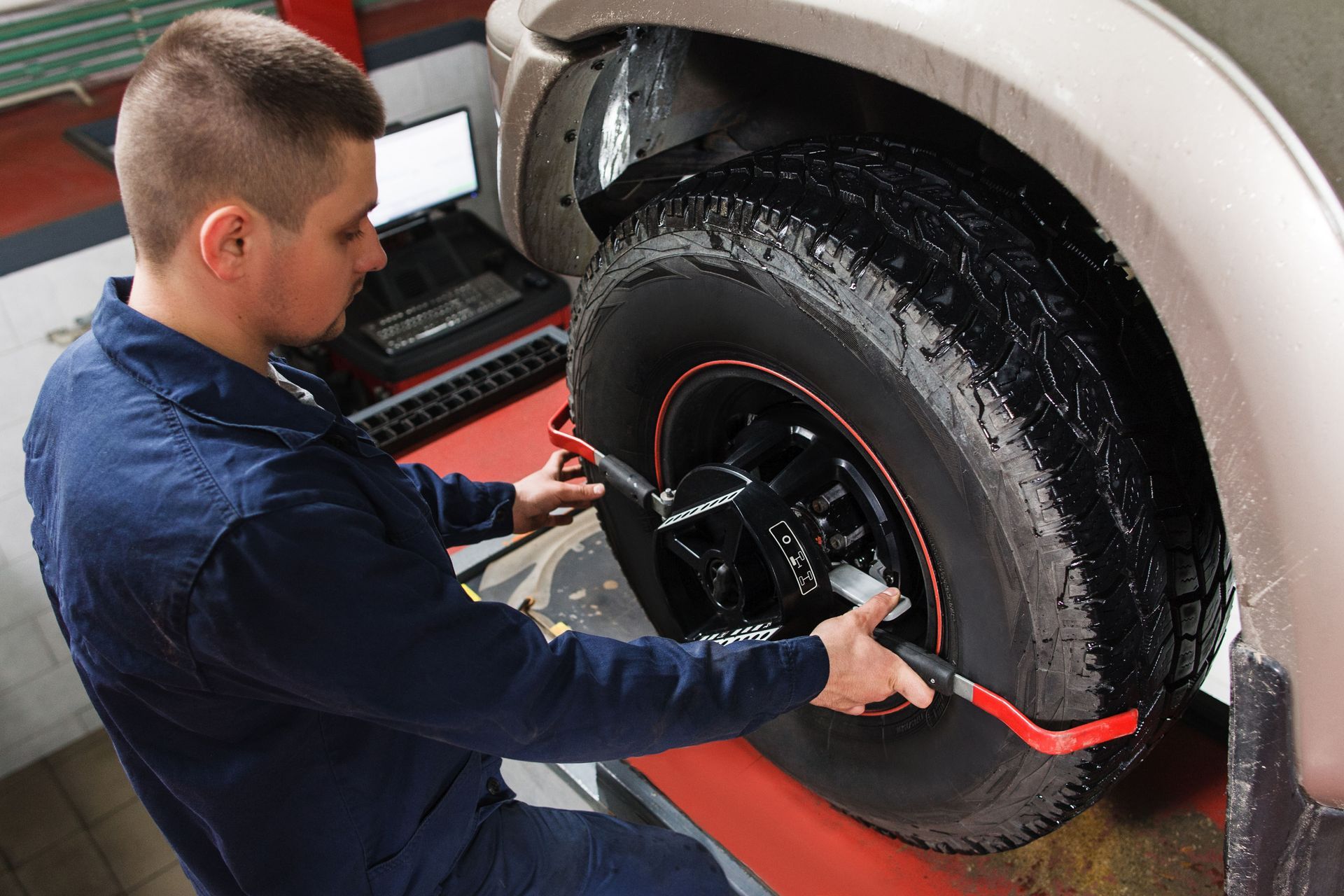
Wheel alignment refers to the adjustment of a vehicle's suspension – the system that connects a vehicle to its wheels. Proper alignment ensures that the tires meet the road at the correct angle, maintaining the direction of intended travel. Misaligned wheels can lead to uneven tire wear, reducing tire lifespans and increasing fuel consumption due to added resistance. Correct alignment plays a key role in vehicle safety by ensuring effective steering and handling. Consequently, wheel alignment is a critical maintenance task that helps in maintaining optimal vehicle performance.
Types of Wheel Alignment
There are different types of wheel alignments, each suited to specific types of vehicles and driving conditions. The four-wheel alignment involves aligning all four wheels perfectly, ensuring optimally balanced steering and handling. Front-end alignment focuses on adjusting the front wheels and is usually sufficient for many traditional rear-wheel and four-wheel drive vehicles. Thrust alignment is used to align the front wheels to the thrust line of the rear wheels, effectively marrying both front and rear alignments. Each alignment type addresses specific vehicular needs and ensures smooth and efficient operation.
Signs Your Vehicle Needs Alignment
Common symptoms suggesting a need for wheel alignment include uneven tire wear, where one side of the tire is worn more than the other. Other indicators include a drifting sensation to one side, even as you try to drive straight. A vibrating steering wheel or unusual noises from the wheels can also suggest misalignment. It's also vital to be observant; if the steering wheel is off-center when driving straight, it may be time for an alignment check. Addressing these signs helps to prevent further damage and maintains vehicle safety.
Benefits of Proper Wheel Alignment
Proper wheel alignment offers numerous benefits, including improved fuel efficiency, as it reduces rolling resistance by ensuring tires roll straight and true. Aligned wheels contribute to better vehicle stability, providing safer, more predictable handling, especially in emergency maneuvers. Proper alignment also prevents premature tire wear, saving on tire replacement costs over the vehicle's lifetime. According to Consumer Reports, you should have your tires rotated every 5,000 to 8,000 miles; alignment inspections are often performed in conjunction to maintain uniform wear. Thus, regular alignment checks are a cost-effective measure that ensures a vehicle's optimal performance and safety.
Exploring Tire Balancing
What is Tire Balancing?
Tire balancing is a maintenance task that ensures the weight of the wheel and tire is evenly distributed around the axle. An unbalanced wheel can lead to uneven wear and vibrations while driving, affecting ride comfort and safety. Tire balancing involves using a balancer machine to identify heavy spots and adding small weights to balance them out. Balanced tires ensure smooth operation at high speeds and reduce the strain on the suspension system. Maintaining balanced tires is crucial for vehicle longevity and optimal performance.
Methods of Tire Balancing
There are primarily two methods of tire balancing: static and dynamic. Static balancing involves looking for imbalances in a wheel at rest and compensating it with weights on the wheel's center line. Dynamic balancing, a more modern technique, involves spinning the wheel on a balancer machine to identify both side-to-side and top-to-bottom imbalances, adjusting with weights accordingly. These methods ensure that all imbalances are accounted for, leading to smoother driving experiences. Increasingly, digital and laser balancing machines are used in tire shops for accuracy and precision. Despite the method, the goal remains achieving even weight distribution.
Indicators Your Tires Need Balancing
There are tell-tale signs that your tires need balancing, such as vibrations felt in the steering wheel or through the seats when driving at certain speeds. Unusual wear patterns on the tires may also suggest they are not balanced correctly. If there are rattling noises coming from underneath the car, it could be due to unbalanced tires affecting the suspension system. Additionally, poor fuel economy might also be linked to imbalanced tires due to increased rolling resistance. Addressing these symptoms promptly can prevent further vehicle damage.
The Tire Balancing Procedure
During a tire balancing service, the wheel assembly is first inspected for damage or irregularities that could affect balance. Next, the wheel is mounted onto a balancing machine, which spins it to find imbalances. The machine highlights the points needing weight correction, and technicians add small weights to counteract these imbalances. The wheel is usually tested again to confirm that the balance adjustments were effective. Accurate balancing results in a smooth driving experience and prolongs tire life by ensuring even wear.
Key Differences Between Wheel Alignment and Tire Balancing
The Purpose of Each Process
Wheel alignment and tire balancing, while related to tires, serve distinct purposes in vehicle maintenance. Wheel alignment focuses on adjusting the angles of the tires relative to vehicle specifications for optimal handling, stability, and tire wear. Ensuring alignment aims to maintain the vehicle's control and directionality, critical aspects of safe operation. In contrast, tire balancing is about distributing weight around the wheel so it rotates evenly, preventing vibrations and ensuring a smooth ride. Both processes, though different, complement each other in promoting vehicular efficiency and wear reduction.
Tools and Equipment Used
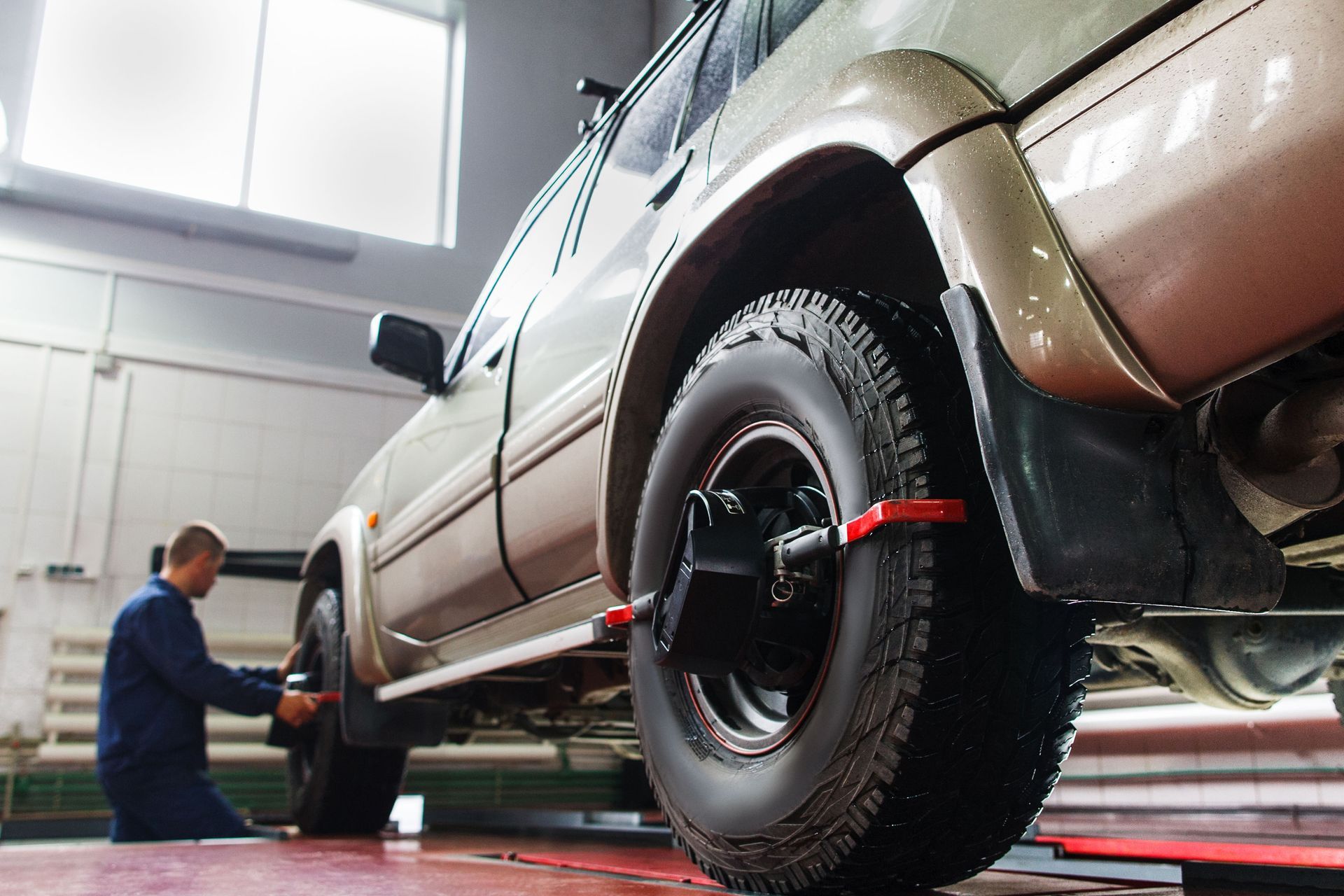
The tools and equipment used for wheel alignment and tire balancing are distinct, specialized for each service's requirements. Wheel alignment involves sophisticated alignment machines that precisely measure wheel angles and is often assisted by computerized technology. Tires are adjusted using manual or power tools to achieve optimal alignment. Tire balancing requires a balancing machine to identify the unbalanced points on the tire, using small weights to counteract these. Innovations and technological advancements continually enhance the precision and speed of these tools, facilitating superior maintenance services.
Service Frequency and Cost
Service frequency for alignment and balancing depends on vehicle usage, road conditions, and manufacturer recommendations. Typically, alignment checks are recommended annually or after significant impacts, like hitting a major pothole, while tires are rotated or replaced. Cost-wise, tire balancing is generally less expensive than full alignment services, with both processes providing significant long-term cost savings by improving tire life and fuel efficiency. Regular maintenance remains a prudent financial decision for all vehicle owners.
Impact on Vehicle Performance
Both alignment and balancing significantly influence vehicle handling and ride quality. Proper alignment ensures the vehicle tracks true, enhancing directional stability and responsiveness in steering, crucial during quick maneuvers. Balanced tires avoid the vibrations and wobbles that detract from comfort and may distract drivers. Collectively, alignment and balancing enhance vehicle safety through better traction, less noise, and reliable handling, crucial components in preventing accidents. Overall, these services are integral to maintaining both safe and pleasurable driving experiences.
Understanding the difference between wheel alignment and tire balancing is crucial for vehicle performance and safety. While both are essential components of regular maintenance, knowing when and how to implement these services can maximize your vehicle's lifespan and driving comfort. Regular consultation with professionals and adherence to service recommendations will ensure that your vehicle remains in optimal condition. Keeping informed, embracing innovations, and adhering to a structured maintenance schedule create a system for effective vehicle management. Appropriately planned vehicle care fosters safety, longevity, and satisfaction for every driver. If you're looking for a wheel alignment service, contact Franks Tire & Automotive today.



Share On: